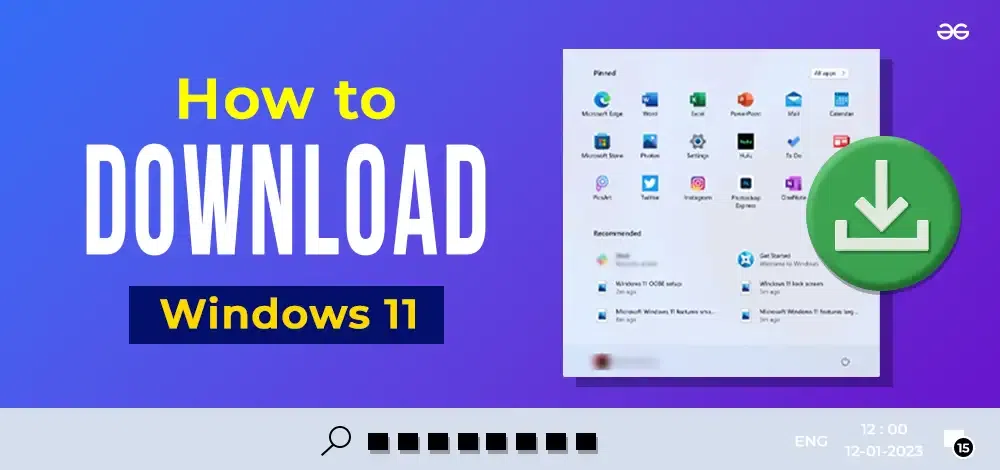
Choosing the right approach to downloading windows 11 made easy starts with clear context, practical filters, and realistic expectations.
Introduction to Windows 11 Windows 11 is the latest operating system from
Microsoft, offering a range of exciting new features and improvements. However, before you can start exploring these features, you need to download and install the operating system. This can be a daunting task, especially for those who are not tech-savvy. In this article, we will guide you through the process of downloading Windows 11 and provide you with the necessary tools and information to ensure a smooth installation.
Checking System Requirements
Before you start downloading Windows 11, it's essential to check if your system meets the minimum requirements. This includes a 64-bit CPU, 4GB of RAM, 64GB of storage, and a Trusted Platform Module (TPM) 2.0. You can check your system specifications by pressing the Windows key + R and typing "msinfo32" in the Run dialog box. If your system doesn't meet the requirements, you may need to upgrade your hardware before installing Windows 11.
Understanding the Different Editions Windows 11 comes in
several editions, including Home,
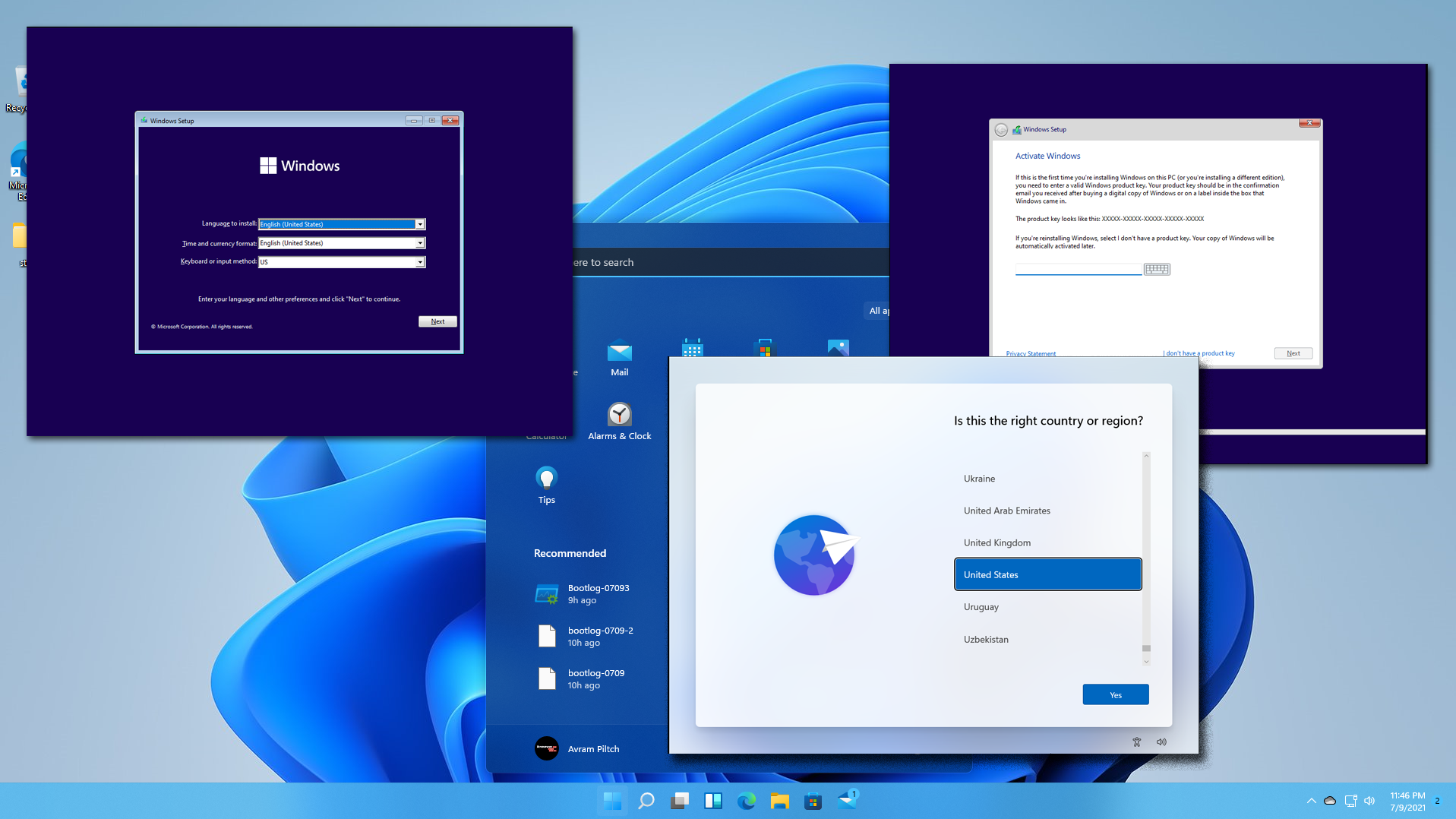
Pro, and Enterprise. Each edition offers different features and functionality, so it's crucial to choose the right one for your needs. The Home edition is suitable for personal use, while the Pro edition offers additional features such as BitLocker encryption and Remote Desktop. The Enterprise edition is designed for large organizations and offers advanced security and management features.
Preparing for the Download
Before you start downloading Windows 11, make sure you have a stable internet connection and enough storage space on your computer. It's also recommended to back up your important files and data to an external hard drive or cloud storage service. This will ensure that your files are safe in case something goes wrong during the installation process.
Choosing the Right Download Method
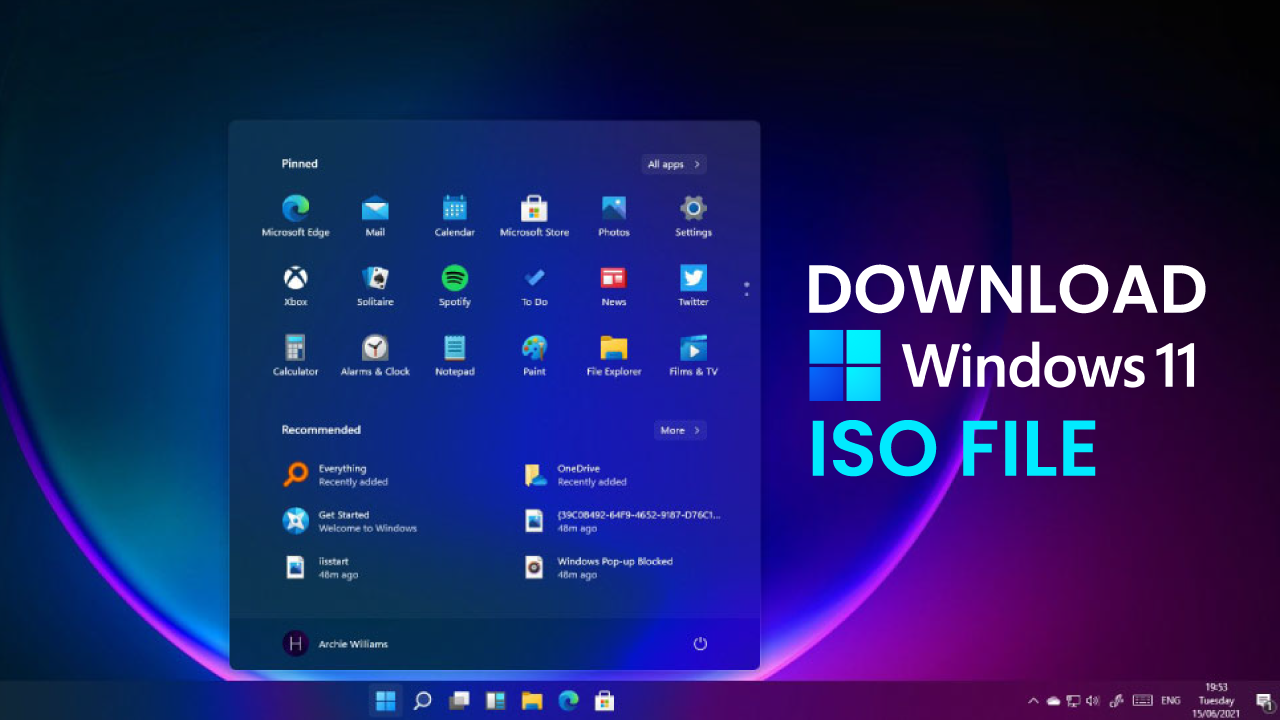
There are several ways to download Windows 11, including using the Media Creation Tool, downloading an ISO file, or purchasing a physical copy from a retailer. The Media Creation Tool is the recommended method, as it allows you to create a bootable USB drive or DVD and ensures that you have the latest version of Windows 11. You can download the Media Creation Tool from the official Microsoft website.
Top 5 Download Tools for Windows 11
- Here are five popular download tools for Windows 11:
- Media Creation Tool: The official tool from Microsoft for creating a bootable USB drive or DVD.
- Rufus: A free and open-source tool for creating a bootable USB drive.
- Etcher: A free and open-source tool for creating a bootable USB drive or SD card.
- Windows USB/DVD Download Tool: A free tool from Microsoft for creating a bootable USB drive or DVD.
- YUMI: A free tool for creating a bootable USB drive with multiple operating systems.
Common Mistakes to Avoid When downloading Windows 11, there are several common mistakes to avoid. These include:
- Not checking the system requirements before downloading
- Not backing up important files and data
- Not using a genuine copy of Windows 11
- Not creating a bootable USB drive or DVD
- Not activating Windows 11 after installation
Troubleshooting Common Issues
If you encounter any issues during the download or installation process, there are several troubleshooting steps you can take. These include:
- Checking the internet connection and ensuring it's stable
- Restarting the computer and trying again
- Checking for any updates to the Media Creation Tool or other download tools
- Contacting Microsoft support for assistance
Conclusion
Downloading Windows 11 can be a straightforward process if you follow the right steps and use the right tools.
By checking your system requirements, preparing for the download, and choosing the right download method, you can ensure a smooth installation process. Remember to avoid common mistakes and troubleshoot any issues that may arise.